
What are soffits and fascia?
Soffits and fascia are the finished components along a roof’s lower edge. Although they are often noticed only when they begin to deteriorate, both parts help protect the roof structure, exterior walls, and attic from moisture and pests.
The soffit is the material installed underneath the roof overhang. Looking up from outside, it is the horizontal surface between the side of the house and the roof edge. Soffits may be solid, vented, or a combination of both.
The fascia is the vertical trim board or panel along the outer edge of the roof. Gutters are commonly attached to the fascia, which means this part must support more than appearance. It also helps shield the ends of the rafters or roof framing from rain and snow.
Together, these components form a transition between the roof and the walls of the house.
Why do soffits matter?
Soffits help ventilate the attic while keeping the roof overhang enclosed. A properly designed soffit system allows replacement air to enter through the lower edge of the roof, where it can move upward toward ridge, gable, or other exhaust vents.
That airflow can help:
- Reduce moisture buildup in the attic
- Limit condensation on roof sheathing and fasteners
- Lower the risk of mold or wood decay
- Help the roof assembly remain more stable through seasonal temperature changes
- Discourage some insects, birds, and small animals from entering the roof cavity
A vented soffit does not work by itself. Air must have a clear path through the attic, and the roof also needs an appropriate exhaust point. If insulation blocks the soffit openings, or if the attic has too little exhaust ventilation, the system may not perform as intended.
In older homes, ventilation may be limited or arranged differently from modern roof designs. Adding vents without considering the entire airflow pattern can create uneven ventilation rather than solving the underlying problem.
What does fascia do?
Fascia protects the exposed ends of roof rafters and helps create a clean, continuous edge along the roof. It also provides a stable surface for gutter attachment.
This makes fascia particularly vulnerable to water damage. If water gets behind the gutter, flows over the roof edge, or enters through damaged shingles and flashing, the fascia may absorb moisture. Over time, the wood can soften, split, or decay.
Damaged fascia can lead to larger problems, including:
- Loose or sagging gutters
- Water draining against exterior walls
- Rot at the ends of rafters
- Peeling paint or staining below the roof edge
- Openings that allow insects, birds, or rodents to enter
A small area of deteriorated trim may therefore be a visible sign of a less obvious roof drainage or flashing issue.
How does the local climate affect these components?
Homes in Derby, NY experience weather conditions that can place repeated stress on roof edges. Freeze-thaw cycles, wind-driven rain, snow, ice, and changing humidity all affect soffits and fascia over time.
Water can enter small gaps during rain, then freeze as temperatures drop. Expansion may enlarge cracks around joints, fasteners, or trim edges. Snow and ice can also remain along the eaves, especially where roof heat loss contributes to uneven melting.
Gutters add another seasonal concern. Heavy rain can test their capacity, while snow and ice can place extra weight on the gutter and fascia. If drainage is restricted by leaves or ice, water may back up beneath the roof edge or overflow against the siding.
These conditions do not mean that every roofline will fail. They do mean that small maintenance issues deserve attention before moisture reaches structural wood.
What are common signs of soffit or fascia problems?
Visible damage is often easiest to spot from the ground, although some problems may be hidden behind gutters or trim.
Look for:
- Cracked, sagging, or missing soffit panels
- Peeling paint, bubbling finishes, or dark stains
- Soft or crumbly fascia
- Gutter sections pulling away from the roof edge
- Visible gaps at corners or along the eaves
- Insect activity or nesting material near vent openings
- Water stains on exterior walls below the roofline
- Damp insulation or musty odors in the attic
- Daylight visible through areas that should be enclosed
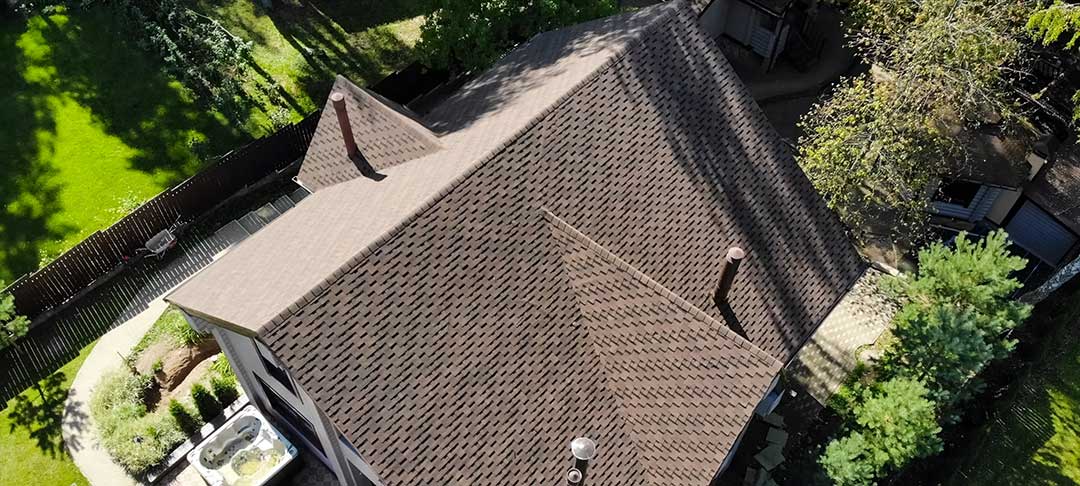
Not every stain indicates active leaking. Dirt, algae, and old paint can also discolor the roofline. However, staining combined with soft wood, loose gutters, or attic moisture is more concerning.
A useful inspection includes both the exterior and the attic side of the roof edge. The interior view may reveal wet insulation, rusty fasteners, condensation, or damaged roof sheathing that cannot be seen from outside.
Are soffit vents the same as attic vents?
No. Soffit vents are intake vents, while many roof or ridge vents serve as exhaust vents.
A balanced ventilation system generally needs both a way for air to enter and a way for warm, moist air to leave. Blocking soffit vents with insulation is a common problem. Installing bathroom fans or dryer vents so they discharge into the attic is another. Those appliances should vent outdoors through properly installed ducts, not into the roof cavity.
More ventilation is not automatically better. Large openings in the wrong locations can allow wind-driven rain or snow to enter, and poorly planned venting may interfere with the intended movement of air. Ventilation should be considered as part of the roof assembly rather than as isolated openings.
Can damaged soffits or fascia be repaired?
Sometimes. The correct approach depends on the extent and cause of the damage.
A limited section of soffit may be replaceable if the surrounding framing is sound and the ventilation design can be maintained. A fascia board may also be repaired in sections, but only after determining whether the wood behind it has been affected.
Replacement materials can include painted wood, aluminum, vinyl, and other exterior products. Each has different behavior, appearance, fastening requirements, and maintenance needs. The material should be compatible with the existing roof edge and detailed so that water drains away rather than becoming trapped behind the trim.
If deterioration is widespread, the repair may involve gutters, drip edge, flashing, roof sheathing, or rafter ends. Covering damaged wood with new trim without correcting the source of moisture usually provides only a temporary visual improvement.
How can homeowners protect the roofline?
Regular observation and basic maintenance help prevent minor defects from becoming larger repairs.
Keep gutters and downspouts clear, especially before periods of heavy rain and winter weather. Check that downspouts discharge far enough away from the foundation and that water is not repeatedly splashing onto the fascia or siding.
From the ground, inspect the roof edge twice a year and after severe wind or ice conditions. Avoid leaning ladders against gutters or soffits, which can bend or crack them. If ladder work, roof access, or suspected structural damage is involved, professional evaluation may be necessary for safety.
Soffits and fascia are not merely decorative trim. They help manage attic airflow, protect roof framing, support drainage components, and close vulnerable openings along the home’s exterior. Keeping them dry, properly ventilated, and securely connected to the roof system is an essential part of maintaining a durable roofline.
