
What Is a Roof Cricket?
A roof cricket is a small, ridge-like structure built on the high side of a roof feature, such as a chimney, where water might otherwise pool or flow directly toward an obstacle. Shaped somewhat like a miniature peaked roof, a cricket channels rainwater and melting snow away from trouble spots, protecting the underlying roof surface from water buildup and leaks.
Crickets are typically constructed from the same materials as the surrounding roof—often shingles or metal panels—and sit against protruding structures. While they may be subtle or even invisible from the ground, these features play a significant role in roof longevity, especially in regions prone to heavy snowfall or consistent rainfall.
Why Do Roof Crickets Matter in Derby, NY?
Derby experiences a range of weather patterns, from lake-effect snow and freezing winter rains to spring thaws and summer storms. These conditions put local roofs under considerable stress, especially anywhere water might collect. Roof crickets help direct moisture away from vulnerable areas, reducing the risk of leaks and water infiltration.
On many classic houses and modern builds in the city, chimneys or other vertical structures interrupt the flow of water. Without a cricket, snow accumulates against the uphill side, where it can melt slowly against masonry and flashing, increasing the chance of water penetrating through weak points. Over time, this can cause rot, interior water damage, and even structural problems.
Where Are Crickets Most Commonly Used?
Most often, crickets are installed on the uphill side of chimneys wider than about 30 inches, but they may also be found behind skylights, dormers, or any large roof penetration. Some older Derby homes may lack crickets simply because earlier building codes didn't require them, or their importance wasn't widely appreciated.
For new construction and major roof repairs, modern building guidelines often call for a cricket behind a wide chimney or similar feature. Homeowners with older roofs or those planning renovations might consider adding a cricket if water pooling or persistent leaks are a concern.
What Problems Does a Roof Cricket Prevent?
The primary purpose is to prevent water from collecting and seeping into places it shouldn’t. Problems crickets help control include:
- Water ponding, which accelerates wear on shingles and other roofing materials
- Ice dam formation during freeze-thaw cycles, particularly relevant for Derby’s winters
- Decay of chimney masonry from prolonged contact with moisture
- Rusting or deterioration of metal flashing
- Interior water damage in attics or upper floors
Over time, even small amounts of standing water can lead to mold, rot, and expensive repairs. In colder months, ice dams caused by trapped snowmelt can back up under shingles, leading to leaks far from the cricket itself.
Are Roof Crickets Required in Derby, NY?
Building codes in the area often include standards set by both the state and Erie County. In many cases—especially for chimneys wider than two feet—a cricket may be required when a new roof is installed or a major chimney is rebuilt. These codes are designed to promote long-term durability and prevent moisture problems that can compromise home safety or result in costly repairs.
However, not every roof needs a cricket, and older homes may be exempt from newer code standards unless significant work is done. If in doubt, consult the city’s building department or reference local code documents for specifics.
How Can Homeowners Identify Cricket Problems or Needs?
While most area households do not inspect their roofs regularly, a few clues may indicate a missing or failing cricket:
- Persistent leaks near a chimney, skylight, or other protrusion
- Water stains or peeling paint inside upper walls or ceilings
- Noticeable piles of snow that linger against one side of a chimney after storms
- Shingles that appear worn, curled, or discolored in a specific area
Residents checking their attics after rain or heavy snow can also watch for signs of wet insulation, mildew odors, or visible drips, which may point to water issues where a cricket should be installed.
What Materials Are Used for Crickets?
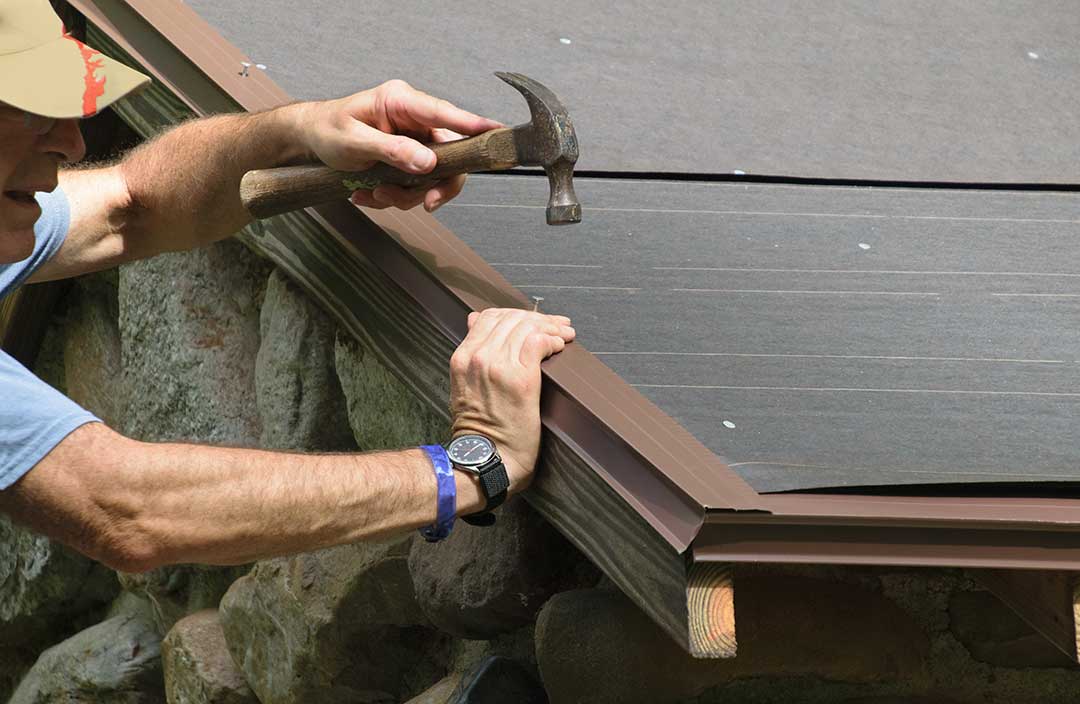
Crickets are usually made from the same material as the rest of the roofing system:
- Asphalt shingles, for most pitched residential roofs
- Metal panels or flashing, particularly on low-slope or commercial roofs, and sometimes as an upgrade for durability
- Cedar shakes or other specialty materials on historical properties
The underlying structure typically involves wood framing covered by roofing felt and then topped with the same outer covering as the main roof. For flat roofs, a cricket might be all-metal.
Matching materials helps ensure consistent water flow and reduces the risk of future maintenance issues. For historic homes in the community, compatibility with original materials may also be a consideration when retrofitting or maintaining a cricket.
Common Myths and Misunderstandings About Roof Crickets
A few misconceptions show up among local homeowners:
- Small Chimneys Never Need a Cricket: Even structures below the usual size threshold may benefit, especially in areas with unusual snow patterns or persistent pooling.
- Crickets Are Only Necessary in Rainy Climates: Derby’s freeze-thaw cycles and heavy snow can cause just as much trouble as regular rainfall.
- If There’s No Leak, There’s No Problem: Hidden moisture damage can develop slowly, so absence of a current leak doesn’t always mean a cricket isn’t useful.
Regular roof inspections, especially following severe weather, can help area households catch problems before they worsen.
Practical Tips for Residents
- Watch for signs of water damage or unusual snow buildup near chimneys and large roof penetrations.
- Schedule roof check-ups after heavy winter storms, as ice and snow may highlight weak spots.
- Review photos or blueprints if available to know whether your home already has properly built crickets.
- For older houses, consider discussing the addition of a cricket during the next major repair, especially if leaks have been an issue in the past.
Maintaining dry, damage-free roofing is a key part of protecting both the comfort and value of homes in Derby, NY. While roof crickets are just one feature among many, they play an outsize role in guarding against some of the region’s most common and costly roofing issues.
