
What Steps Are Involved in Replacing a Roof in Derby, NY?
Replacing a roof in Derby usually involves several organized steps, each of which helps ensure a weather-resistant and long-lasting result. The process generally starts with an inspection and ends with a thorough cleanup.
Homeowners can expect the following sequence:
- Inspection and assessment of the existing roof
- Discussion of materials suited for the local climate
- Removal of old roofing materials
- Repair of underlying decking, if necessary
- Installation of underlayment and flashing
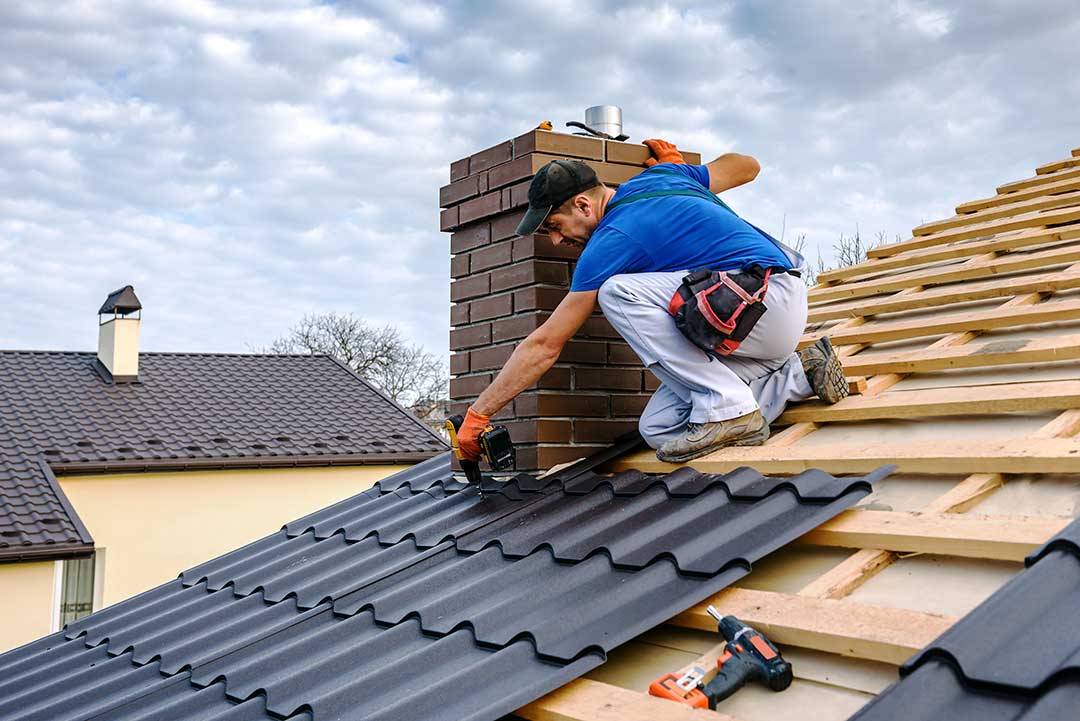
- Installation of shingles or other selected roofing material
- Cleanup and disposal of debris
- Final inspection for quality and safety
This sequence helps protect homes against the region’s rain, snow, and wind while addressing local building code requirements.
How Does Derby’s Climate Affect Roofing Choices?
The climate in Derby features heavy lake-effect snow, strong winds off Lake Erie, and four distinct seasons. These local factors affect both material selection and installation timing.
- Asphalt shingles are common due to affordability and good performance in shifting winter/summer conditions.
- Metal roofing is sometimes chosen for its durability against wind and ice.
- Roofs in the city are often installed with additional ice and water barriers near eaves to prevent ice damming, a common winter issue.
Residents should be aware that roofing work is easiest during late spring to early fall, reducing risks from cold weather interruptions.
Why Is Roof Deck Inspection Necessary?
A deck inspection checks the wood sheathing beneath old shingles for rot, moisture, or structural weakness. Skipping this step can lead to hidden water leaks and premature new roof failure.
Contractors typically remove old materials in sections to expose the deck. Any damaged areas are repaired before moving forward. This process is especially relevant in Derby because freeze/thaw cycles can create hidden deterioration, particularly on older homes.
What Preparations Should Residents Make Before Work Begins?
Before roof work starts, residents can help the process go smoothly by:
- Clearing vehicles and valuables from driveways and immediate outdoor spaces
- Moving patio furniture or lawn decor away from work zones
- Covering items in attics to prevent dust infiltration
In some neighborhoods, homeowners’ associations or local ordinances may require notice before construction starts. Reviewing these requirements can help avoid disruption or delays.
How Are Roofing Materials Installed for Local Weather?
In Derby, typical installation practices account for local weather extremes:
- Underlayment (such as synthetic felt or ice/water shield) is applied directly to the deck to guard against moisture intrusion.
- Flashing is carefully fitted at valleys, vents, chimneys, and edges to block water entry.
- Shingles are staggered for proper coverage and nailed to wind-resistant specifications recommended for the region.
Ventilation is also evaluated. Poor attic venting can trap heat and moisture, leading to ice dams or mold, problems that are more common in the area’s cold months.
What Should Residents Expect During the Cleanup Phase?
Cleanup is a frequently overlooked part of the roofing process but is especially relevant in suburban Derby. Roof replacement produces significant debris—old shingles, nails, underlayment, and packaging.
Crews typically use:
- Magnetic rollers to gather stray nails from lawns and driveways
- Large tarps to capture debris and protect landscaping
- Labeled dumpsters placed to minimize street obstruction
Thorough cleanup helps prevent injuries to family members and pets and maintains good community relations with neighbors.
Are Permits or Inspections Needed for Roof Projects in Derby, NY?
Most roof replacements in Derby require a local building permit. This process ensures work meets codes designed for the area’s snow and wind loads. Homeowners should check with the city code enforcement office before scheduling any job.
After installation, a city inspector may perform a brief examination to verify compliance. These steps can protect both the homeowner and future buyers by documenting the quality and legality of the work.
What Common Roofing Misconceptions Do Local Residents Face?
Several misunderstandings can lead to costly mistakes for area households:
- “Roofs only need replacing if they leak.” In reality, roofs can fail silently; shingles that appear intact may hide water intrusion or poor ventilation.
- “All shingles are the same.” Material quality and wind/snow performance ratings matter in this region.
- “Roofing can wait until it’s convenient.” Delaying repairs may increase damage, especially going into winters with heavy snow or high winds.
Understanding the real risks and needs of local homes can help prevent expensive, avoidable problems.
What Are Signs That a Roof May Need Replacement?
Signs of roof trouble in local homes often include:
- Curled, missing, or cracked shingles after storms
- Granules collecting in gutters (from asphalt shingle wear)
- Dark stains, algae streaks, or moss growth indicating trapped moisture
- Ice damming along the eaves in winter
- Water stains inside attic spaces after storms
Spotting these issues early can help residents plan their roofing process for a more reliable and weather-safe home.
