
What Are Roof Valleys and Why Do They Matter in Derby, NY Homes?
A roof valley is the seam where two sloping roof sections meet, channeling rainwater and melting snow safely off the structure. In Derby, with its mix of snowy winters, spring thaws, and occasional summer downpours, valleys are critical for preventing leaks and water damage. When these channels fail, water may flow directly into your attic or walls, causing hidden structural risks.
How Do Roof Valleys Fail?
Roof valleys typically fail due to moisture exposure, repeated freeze-thaw cycles, and debris accumulation—factors that Derby’s climate routinely delivers. Over time, shingles can split, metal flashing may rust or lift, and seals could degrade. Even small valley issues can escalate quickly, especially during prolonged spring rain or heavy lake-effect snow.
What Are Common Signs That a Roof Valley Is Failing?
Certain visual clues suggest trouble in a roof valley. Look for these problems, especially after major storms or seasonal shifts:
- Shingles that are cracked, curled, missing, or loose in the valley area
- Discolored streaks, algae, or moss buildup (often signaling trapped moisture)
- Exposed nails or seams along valley flashings
- Noticeably sagging or uneven lines where roof planes meet
- Damp spots, stains, or bubbling paint inside near ceilings below valley regions
Minor surface changes may not seem urgent, but they can rapidly lead to rot or leaks under Derby’s variable weather.
How Can You Safely Check Your Roof Valleys?
A quick walk-around from the ground with binoculars can reveal many common valley issues. It’s safest to avoid climbing onto your roof, especially during or after wet, icy, or windy conditions. This is especially true in the city, where many homes have steep or older roof structures that become slippery with dew, frost, or organic debris.
If you must inspect more closely, do so only with proper safety measures (firm ladder footing, dry conditions, and slow movement). Clearing valley debris—such as leaves, pine needles, or branches—helps keep water moving off your roof, but be cautious not to disturb shingles or flashings.
Why Does Snow and Ice Matter for Roof Valleys in Derby?
Roof valleys in Derby handle not just rain, but snow and ice. When snow accumulates in valleys, melting can form ice dams if water gets trapped behind built-up ice. Water can then back up under shingles and leak indoors. Signs that winter has taken a toll include:
- Sheets of ice lingering in valleys after other roof areas clear
- Water stains on interior ceilings or walls after freeze-thaw cycles
- Drips or moisture in attic spaces beneath valley zones
Dealing with snow and ice as soon as it’s safely possible reduces risk of hidden damage.
Are There Less Obvious Warning Signs to Watch For?
Some roof valley problems aren’t dramatic at first glance. Homeowners sometimes overlook:
- Granule loss: Finding shingle granules in gutters, or visibly bare shingles in valleys, means shingle surfaces are thinning and less water-resistant.
- Weak flashing edges: Flashing that appears to lift at its corners or edges, even a fraction of an inch, can let water seep in, especially under wind-driven rain.
- Gaps or cracks: Slim gaps between shingles, tiles, or metal valley liners can be hard to spot but become water entry points, especially during heavy Derby rains.
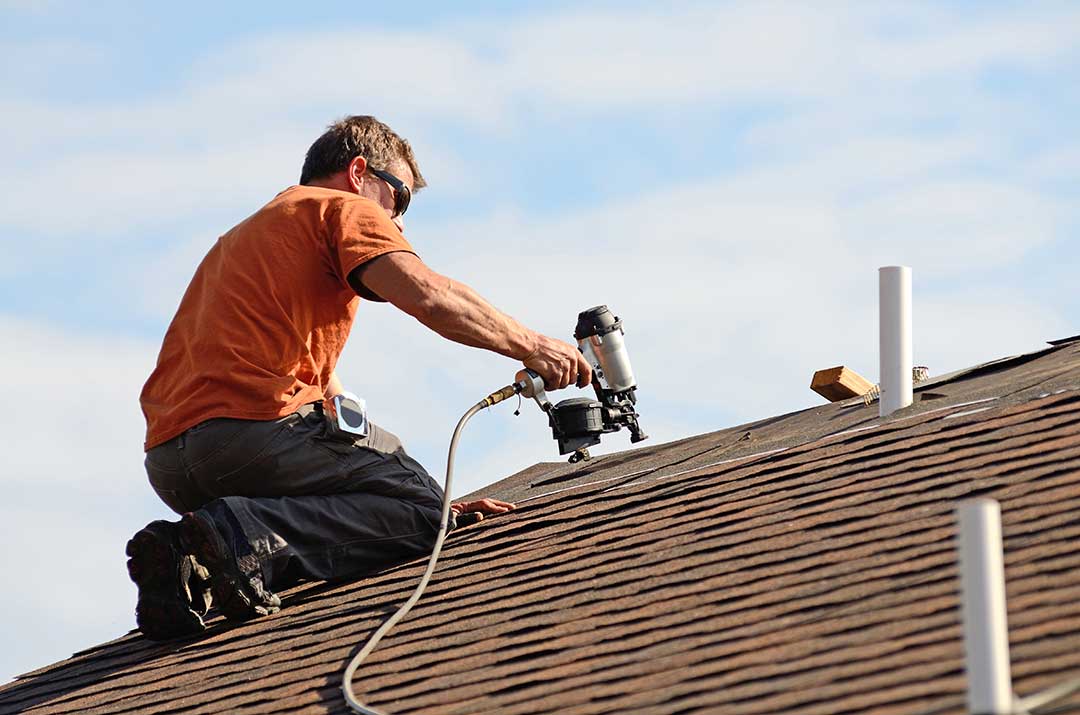
Spotting these issues early is easier with annual maintenance routines or after major weather events.
How Do Derby’s Trees and Local Wildlife Affect Valley Performance?
Derby’s many mature trees shed leaves and twigs, which collect in roof valleys and slow water flow. Squirrels and birds sometimes move debris or nest materials onto roofs, occasionally prying up shingles or flashing while searching for shelter. Regularly clearing valleys in spring and fall can reduce clogs and keep water moving away from vulnerable seams.
Can Gutters and Downspouts Cause Valley Issues?
Clogged gutters or poorly placed downspouts can back up water, forcing it to overflow into roof valleys. This is a frequent issue in the city, especially after autumn leaf drop or spring blossoms. Ensuring that water from valleys can reach clear, working gutters is key to preventing moisture from backing up under shingles or flashing.
What Problems Do Derby Residents Often Misinterpret or Overlook?
Some conditions are commonly misread as harmless:
- Black streaks or algae: Sometimes shrugged off as cosmetic, but in valleys, dark streaks often indicate lingering dampness that can weaken the underlayment.
- Occasional drip in attic: Periodic drips during storms may seem minor, but they often point to burgeoning valley leaks, particularly if noticed repeatedly after rain or melting snow.
- Patchy moss: While a light green tinge may not seem worrisome, moss can trap moisture, lift shingles, and accelerate valley deterioration.
Assuming that minor discoloration or granule loss is "just aging" can lead to costly repairs if ignored.
When Should Professional Assessment Be Considered for Valley Issues?
Tackling minor debris removal or visual checks is usually safe for local homeowners, but certain conditions do require expert inspection, such as:
- Active leaks or stains that appear inside after rain or snowmelt
- Noticeable sagging or gaps along valley seams
- Large patches of missing shingles or metal flashing, especially after storms
Addressing these concerns promptly helps preserve the safety, value, and comfort of Derby homes under all weather conditions.
