
Rain on a roof can sound peaceful during a light shower but surprisingly loud during a downpour. In Derby, NY, homes may experience several types of rain-related roof noise, including drumming over bedrooms, sharp tapping near skylights, and water sounds from gutters or downspouts.
The good news is that excessive noise often has more than one cause. Roof covering, attic insulation, ceiling construction, ventilation, drainage, and even nearby tree branches can all affect how much sound reaches a living space.
Why does rain sound loud on some roofs?
The roof material and the space beneath it strongly influence indoor noise. Lightweight metal roofing, for example, can transmit a crisp tapping sound when installed over an open roof structure. Asphalt shingles usually soften rainfall, but noise can still become noticeable if the attic has little insulation or if the ceiling is thin.
Other factors include:
- Heavy rain striking a broad, uninterrupted roof slope
- An attic with exposed framing and little insulation
- A bedroom located directly beneath the roof
- Rain landing on metal flashing, vents, or skylight frames
- Gutters or downspouts carrying a large volume of water
- Tree limbs brushing or striking the roof during wet, windy weather
- Loose roofing components that vibrate during storms
Rain noise is not automatically a sign of roof damage. However, a sudden change in sound, especially after strong wind, may justify a closer inspection.
Can attic insulation reduce rain noise?
Yes. Attic insulation is one of the most practical ways to reduce the sound of rain entering rooms below the roof. Fiberglass, cellulose, and other insulation materials help absorb and slow sound transmission between the roof deck and the ceiling.
Insulation works best when it is installed evenly and without large gaps. Areas around attic hatches, recessed lights, duct openings, and electrical penetrations can allow sound to pass through more easily than the surrounding ceiling.
Insulation should not block required ventilation paths at the roof edges. In a properly arranged attic, air must still be able to move from the eaves toward the upper ventilation outlets. Covering those pathways can contribute to moisture buildup and shorten the life of roofing materials.
If an attic contains damp insulation, staining, mold-like growth, or signs of leaking, the moisture problem should be addressed before adding more insulation. Wet materials lose performance and may conceal roof or ventilation issues.
Does adding a ceiling layer make a roof quieter?
A heavier, more airtight ceiling assembly can reduce sound more effectively than a thin ceiling with many openings. In some homes, adding another layer of gypsum board to the ceiling can limit the vibration caused by rainfall. Resilient channels or other sound-control assemblies may also help by separating the finished ceiling from the framing.
These changes are most practical during a renovation because they may affect ceiling height, lighting, trim, electrical fixtures, and attic access. They also add weight, so the existing framing and attachment method should be considered before work begins.
Sealing small gaps can improve results. Sound may travel through cracks around attic doors, ceiling fixtures, ductwork, and plumbing penetrations. Weatherstripping an attic hatch and sealing appropriate gaps with compatible materials can reduce both noise and unwanted air movement.
What roof materials are quieter in the rain?
Asphalt shingles generally produce less noticeable rain noise indoors than an exposed metal roof, particularly when installed over a solid roof deck with insulation below. Metal roofing is not always loud; the sound level depends on the entire roof assembly.
A metal roof installed over solid sheathing, underlayment, insulation, and a finished ceiling may be relatively quiet. A similar roof installed over an open frame with little insulation may sound much louder.
Roofing material should not be selected for noise alone. Durability, snow and ice conditions, ventilation, installation details, maintenance needs, and compatibility with the home all matter. Replacing an otherwise sound roof solely to reduce rain noise may be less practical than improving the attic and ceiling assembly.
How can gutters and downspouts reduce water noise?
Some of the loudest rain sounds come from drainage components rather than the roof surface. Water falling into an empty or poorly supported gutter can create a hollow, vibrating sound. Downspouts may also amplify rushing water, especially when they are attached to exterior walls near bedrooms.
Useful measures include:
- Checking that gutters are securely fastened and not sagging
- Removing leaves and sediment that cause water to spill or pool
- Confirming that downspouts are firmly attached
- Adding suitable splash-control material where water strikes metal
- Directing discharge away from foundations and walkways
- Inspecting for loose elbows, seams, or brackets that rattle in wind
Adding objects inside a gutter to “soften” the sound can create blockages and maintenance problems. Drainage should remain open so water can move freely during intense storms.
What about skylights, roof vents, and flashing?
Rain hitting metal flashing, vent caps, or skylight frames can produce a sharper sound than rain landing on shingles. A loose vent cover or flashing component may also rattle.
Skylights can be especially noticeable because they are often installed directly over rooms and contain less mass than a traditional insulated ceiling. Interior shades or curtains may soften the sound slightly, although they do not correct loose components or water-entry problems.
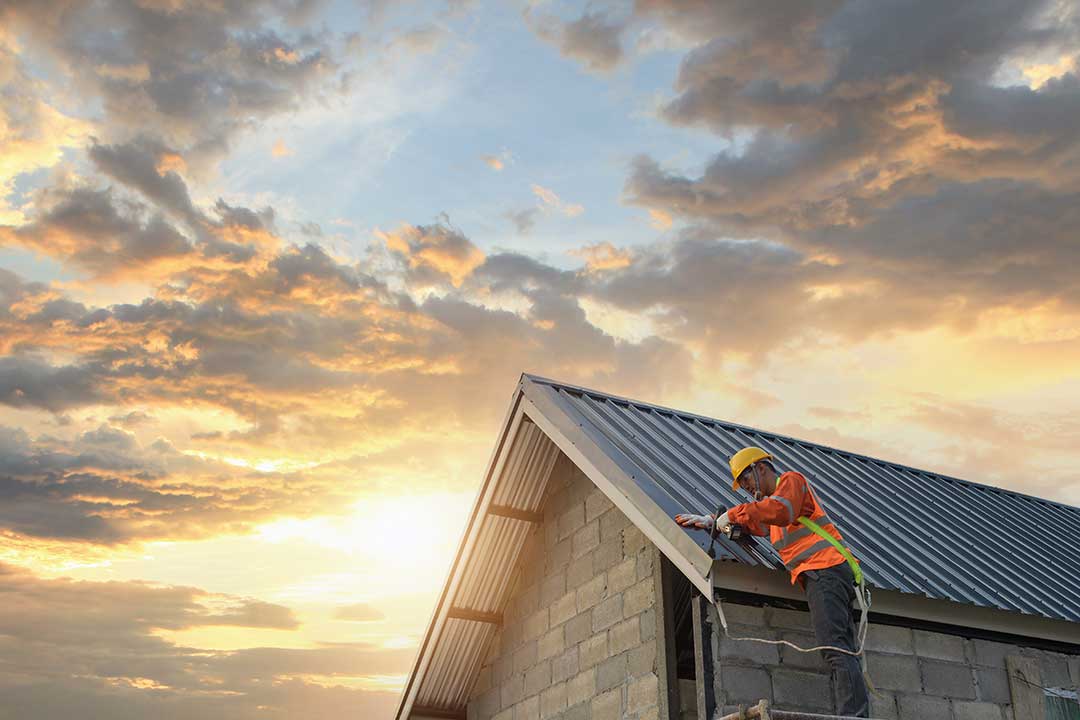
During a visual check from the ground or attic, look for:
- Rattling or vibrating metal during rainfall or wind
- Water stains around skylights or ceiling openings
- Damp insulation near roof penetrations
- Loose vent covers or exposed fasteners
- Peeling paint, bubbling drywall, or musty odors
Do not climb onto a wet roof. Roof surfaces become slippery quickly, and hidden damage may not be visible from above.
Can trees make roof noise worse?
Yes. Wet branches can scrape shingles, strike metal roofing, or rub against gutters. Wind can make the sound seem like repeated tapping even when rainfall is light.
Branches that touch or hang over the roof may also deposit leaves and small debris into gutters. This can increase drainage noise and create maintenance concerns. Tree work near a roof can be hazardous, particularly during wet conditions, so removal of large or unstable limbs may require appropriate safety equipment and expertise.
When is rain noise a warning sign?
Rain noise deserves closer attention when it appears suddenly or is accompanied by other symptoms. Possible warning signs include:
- New ceiling stains or damp spots
- Dripping sounds that continue after rainfall ends
- Visible daylight through the roof deck
- Water collecting in the attic
- Shingles, metal panels, or flashing displaced after wind
- A gutter that pulls away from the roof edge
- Repeated leaks around vents, chimneys, or skylights
- Musty odors or wet insulation
In these situations, the priority is finding and controlling moisture entry rather than simply making the roof quieter. Electrical fixtures near damp areas should be treated cautiously, and anyone inspecting an attic should avoid stepping between ceiling joists.
Which improvements usually offer the most benefit?
For many households, the most sensible sequence is to identify the loudest source first. If the sound comes from the roof surface, attic insulation and ceiling sealing may help. If it comes from a gutter or downspout, drainage maintenance may provide a quicker improvement. If the noise is accompanied by leaking or movement, the roof assembly needs attention before sound-control measures are considered.
A simple storm-time observation can help: note whether the sound is strongest beneath the roof slope, near a skylight, along an exterior wall, or beside a downspout. Comparing the sound during light rain and heavy rain may also reveal whether the problem is impact noise, drainage flow, or vibration from loose components.
For homes in Derby, seasonal maintenance matters because rain may arrive with wind, falling leaves, freezing temperatures, or snowmelt. Keeping roof drainage clear, preserving attic ventilation, and watching for changes after major storms can reduce both unwanted noise and the risk that a small roof issue becomes a larger moisture problem.
