
Can Sports Balls Really Harm Your Roof?
Yes, common sports balls like basketballs, baseballs, soccer balls, and footballs can cause actual damage to residential roofs. In Derby, NY, where yards and driveways often double as play areas, the risk of stray balls hitting rooftops is a practical concern—especially for homes with certain roofing materials or features.
Neighborly games often lead to balls being kicked, thrown, or hit onto rooftops. While a single, light impact might seem harmless, repeated force or heavy balls can affect shingles, gutters, and roof accessories over time.
What Types of Roof Damage Are Caused by Sports Balls?
The kind of damage depends on the ball’s size, weight, trajectory, and frequency of contact. Here’s what area homeowners commonly see:
- Shingle Damage: Asphalt shingles—the most popular in the city—can crack, loosen, or lose granules from repeated impacts. This weakens the shingle's protection against wind and water.
- Dislodged or Bent Flashing: Baseballs and other hard balls striking metal flashing around chimneys, skylights, or roof vents can bend or shift these vital weather barriers, increasing the likelihood of leaks.
- Crushed or Blocked Gutters: When sports balls land in gutters, they may bend the metal, contribute to clogs, or pull the gutters away from the fascia board.
- Roof Vent and Skylight Harm: Lighter plastic balls can crack older skylight covers or damage vent caps, especially those already weakened by sun exposure or age.
In Derby’s freeze-thaw winters and frequent spring rain, small weaknesses caused by a ball can become bigger problems due to water intrusion or ice damming.
Are Certain Roofing Materials in Derby More Vulnerable?
Yes, not all roofs react the same way. In Derby, shingle and metal roofs are most common, but some homes feature tile or flat roofing, especially on additions or multi-family properties.
- Asphalt Shingles: Most susceptible to surface chipping, granule loss, and small cracks.
- Metal Roofs: More dent-resistant, but seams, screws, and edges can be bent or loosened by heavy, direct hits.
- Clay or Concrete Tiles: Less common in local housing, but highly prone to shattering from a thrown baseball or football.
- Flat or Low-Slope Roofs: Soccer balls or basketballs may sit undetected, blocking drains or accelerating ponding water.
How Can Repeated Sports Impacts Make Roof Problems Worse?
While a single ball might only cause minor cosmetic issues, repeated hits amplify the risks:
- Worn shingles may start to curl or blister, making them vulnerable to wind or rain.
- Dislodged gutters or flashing can create hidden entry points for water, leading to leaks inside the attic or wall cavities.
- Regular impacts may shift roof materials just enough to break weather seals, especially after years of freeze-thaw cycles.
For homes near local parks or in active family neighborhoods, ongoing ball impacts add up—sometimes unnoticed until a routine inspection or water stain appears.
What Are Some Signs That a Roof Has Been Damaged by Sports Balls?
Promptly noticing the results of a lost ball can help avoid future repairs. Signs specific to ball impact, especially around Derby, include:
- Visible dents, scrapes, or missing granules on shingles beneath tree branches or near chimneys (common ball “landing zones”).
- Clogged or sagging gutters where balls have gotten stuck.
- Ragged or shifted metal flashing, which may look bent or out of alignment.
- Small cracks or broken corners on skylight covers or vent pipes.
- Balls themselves resting on the roof for an extended period—especially after storms have kept children inside.
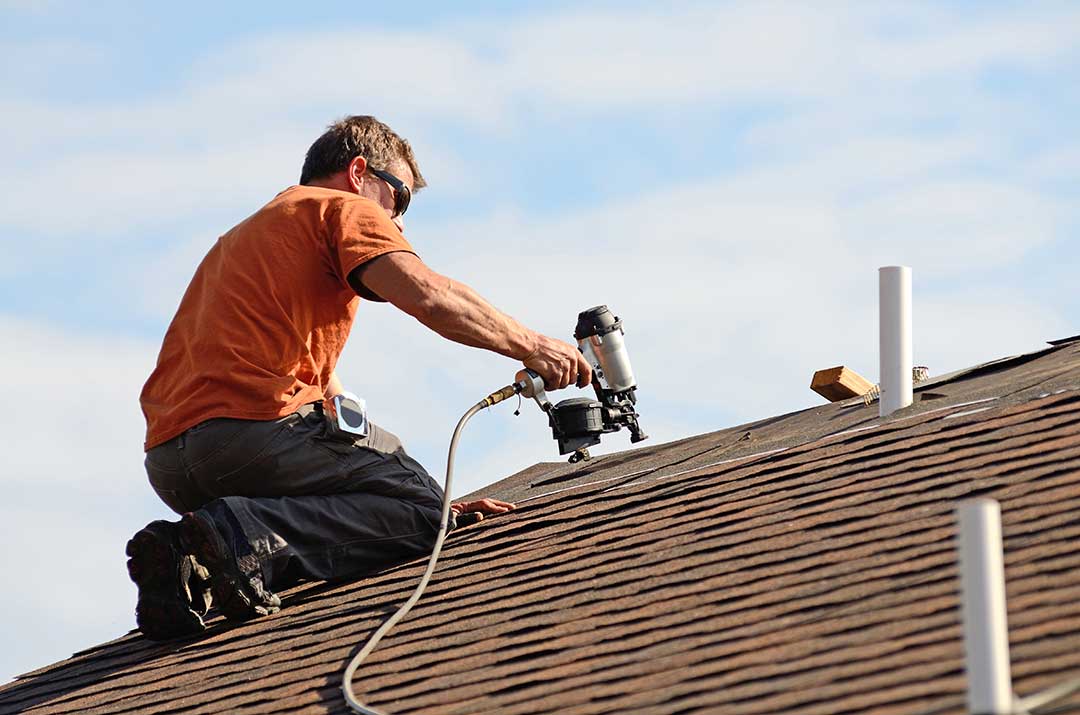
Paying attention to these clues during yard cleanups or after a neighborhood game can help area residents address issues before they escalate.
Should Residents Remove Sports Balls From the Roof, and If So, How?
If a sports ball lands on the roof, removing it promptly is best to prevent prolonged pressure or clogging. However, safety is crucial—climbing onto a roof is risky, especially after rain or during icy Derby winters.
- Light balls resting in easy-to-reach gutters may be cleared with a telescoping pole from the ground.
- Never allow children or untrained adults to climb onto high or steep roofs to retrieve toys.
- If a ball lands near power lines or chimney flues, avoid any attempt at retrieval from the roof edge.
Prioritizing safe removal techniques protects both residents and the roofing materials. For toys that repeatedly end up on the roof, encouraging children to play away from the house or designating “safe zones” in the yard can help.
Can Insurance Cover Roof Damage from a Sports Ball?
Coverage depends on individual policies. Many standard home insurance policies in Derby treat accidental impact damage as a covered peril, especially if the impact results in a sudden roof leak or structural issue. However, damage resulting from neglect—such as ignoring repeated impacts or letting a ball clog a gutter for months—may not be covered.
Reviewing policy specifics and keeping documented evidence, such as photos of damage, supports the claims process should a problem arise.
Preventive Tips for Households in Derby
Preventing sports-related roof issues is easier than repairing them. Local conditions—yards bordered by trees, high seasonal winds, and children playing outside—mean a proactive approach is wise.
- Designate backyard or driveway play zones away from the house whenever possible.
- Encourage the use of lighter sports balls or foam alternatives for close-to-home games.
- Trim overhanging branches that serve as a springboard or trap for balls.
- Periodically check the roof for stray toys, especially after storms or active weekends.
Being mindful of how games and recreation affect a home protects roof longevity and household safety alike.
